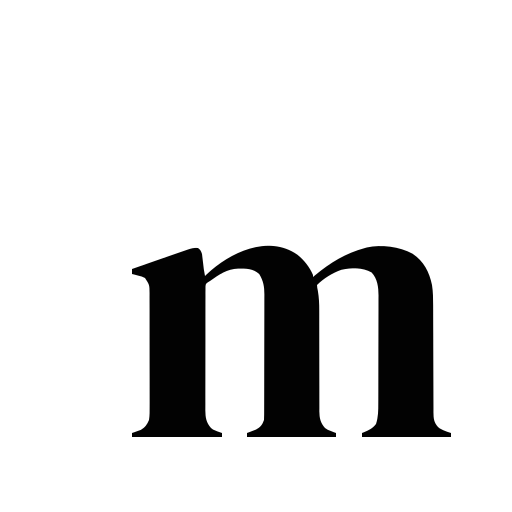


Gratitude exercises can produce small improvements in well-being on average. That does not mean every gratitude journal helps every person, or that appreciation should replace acknowledging a difficult day.
In this article
95% confidence interval: 0.15 to 0.22
Standardized difference (Hedges’ g) · 0 = no difference between groups
How to read this chart
The dot is the pooled estimate. The capped line shows its 95% confidence interval, describing uncertainty in that estimate, not the range of individual outcomes.
| Estimate | Lower limit | Upper limit |
|---|---|---|
| 0.19 | 0.15 | 0.22 |
2025 PNAS meta-analysis. Positive values favor gratitude. This is not a 19% increase in happiness.
Small effects can still be worth understanding
A small average effect does not mean nobody benefits, and it does not predict an individual result. It also does not tell us that more frequent or longer writing must be better. Before adopting an impressive percentage, ask which outcome changed and what the comparison group did.
Feeling appreciation, experiencing positive emotions and having fewer symptoms of a mental health condition are different outcomes. The headline “gratitude works” leaves those distinctions out.
Specific details make an entry yours
“I am grateful for my friends” may be true, but it can become automatic. A more personal entry could say: “Lea noticed I was quiet and stayed to walk with me after lunch. I appreciated not having to ask.” The extra detail gives you something concrete to return to.
You can also appreciate something small without making it a silver lining. A difficult appointment and a kind receptionist can coexist in the same account. The aim of this example is to leave room for the whole day.
An optional two-part entry
- Name one specific thing you appreciated.
- Explain why it mattered to you at that moment.
If nothing comes to mind, skip the exercise or describe your day normally. A journal does not need a positive ending to be honest. Our gratitude prompts and examples offer other starting points.
“The appointment was tiring, and I am still worried about the result.”
“The receptionist noticed I was lost and walked me to the right room.”
The second detail does not cancel the first. Skip the gratitude prompt when it feels forced.
What the research does not establish
This analysis does not show that our suggested entry, a particular app or every gratitude routine treats anxiety or depression. Different exercises and outcome measures contributed to the evidence. Use appreciation as an optional practice, with realistic expectations rather than an obligation to feel better.
Why a narrow confidence interval is not a guarantee
The review also reports a prediction interval of −0.21 to 0.59. Unlike the confidence interval around the pooled average, this reflects estimated variation in true effects across settings under the model. Its inclusion of zero is a useful reminder: a precise small average can coexist with settings where a benefit is unclear. It is not a forecast of your personal mood.
Sources and research notes
Research checked October 2, 2026. This is an editorial explanation of selected studies, not a systematic review or a clinical evaluation of memoir. Practical examples are ours unless identified otherwise.